
Tiny Heart, Big Miracle: A Family’s Journey with the Residency Program
Katherine Myers didn’t have a designated doctor when she found out she was expecting her first child — but from the moment she began receiving care through the UPMC Williamsport Family Medicine Residency Program, she felt at ease. Her pregnancy was healthy, her appointments reassuring, and everything pointed toward a perfect beginning.
When her water broke, Katherine was prepared. Labor went smoothly, and her baby girl arrived, appearing healthy and strong. Katherine remembers holding her daughter that first day, believing the hardest part was behind them.
That evening, however, a nurse noticed the baby still had a faint bluish tint that wasn’t fading. Her pulse wasn’t responding the way it should, and it became clear something wasn’t right.
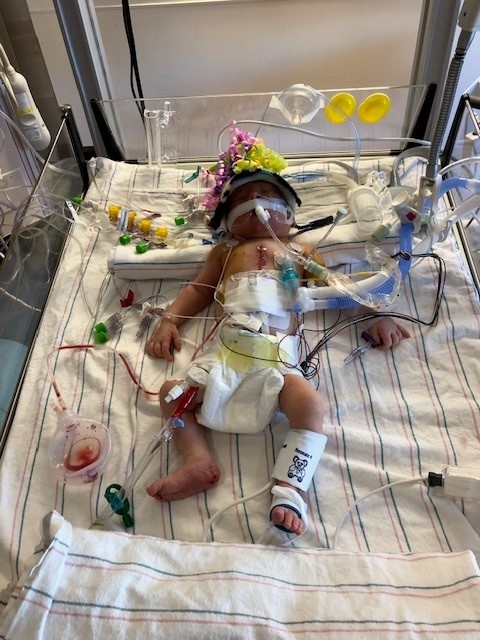
The baby was moved for observation, and soon after, her oxygen levels started to fall. An echocardiogram was completed and sent immediately to specialists in Hershey. Physicians at both locations reviewed the images together — the abnormality was so rare and subtle that it required combined expertise to diagnose it.
They discovered the baby had Total Anomalous Pulmonary Venous Return, or TAPVR, a serious condition in which oxygenated and deoxygenated blood mix because a pulmonary vein connects incorrectly. Urgent treatment was necessary.
Within hours, the baby was flown to Hershey. She hadn’t yet been named, so the staff helped Katherine choose Isla Josephine, or Isla Jo. When Katherine learned that the helicopter pilot happened to be named Joe, it offered the smallest moment of comfort in an otherwise overwhelming time.
“You can say all your prayers,” Katherine remembers, “but when you’re in the moment, you feel like you have no control. I just had to trust we were in good hands.”
On her second day of life, Isla underwent open‑heart surgery. The procedure was intricate, but successful.
Throughout the whirlwind, one person stood out: the resident who had cared for Katherine throughout her pregnancy and delivery. He approached every step with steady confidence and sincere attentiveness. As a parent himself, he understood how frightening the situation was, yet he also brought the focus and determination of a physician eager to learn and contribute. He coordinated directly with the Hershey physicians, helping piece together the diagnosis that ultimately saved Isla's life.
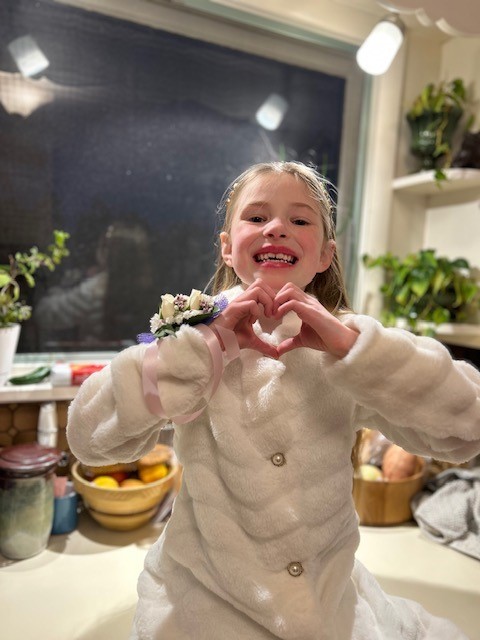
“He had never experienced a case like this,” Katherine says. “But he stayed involved, thoughtful, and genuinely invested. It meant a great deal to know that as he cared for us, he was also gaining knowledge that would go on to help other families.”
Isla came home tiny, fragile, and in need of careful follow‑up. For months, the family returned to the Residency weekly, then monthly, as Isla began to grow stronger.
Even as their visits became less frequent, Katherine and her family continued choosing the Residency Program because of its accessibility, warmth, and the support they received when they needed it most. Now seven years old, Isla’s appointments are routine — but the family’s appreciation has never faded.
On Thank a Resident Day, Katherine reflects on the impact the program had on their lives — and on the resident whose involvement helped change the course of her daughter’s future.
“People often think residents are still learning, and they are,” Katherine says. “But they are also some of the most helpful doctors I’ve ever met. The Residency Program didn’t just care for us. They cared with
us.”
Thank a Resident and Fellow Day 2026 at UPMC will be celebrated on Friday, Feb. 27, honoring the essential role residents play in patient care and their ongoing commitment to the community. The event encourages sharing appreciation through notes, meals, and treats. Susquehanna Health Foundation also supports this day through an Amazon WishList for those who wish to contribute: https://www.amazon.com/hz/wishlist/ls/2PEES2BSRHADM?ref_=wl_share.